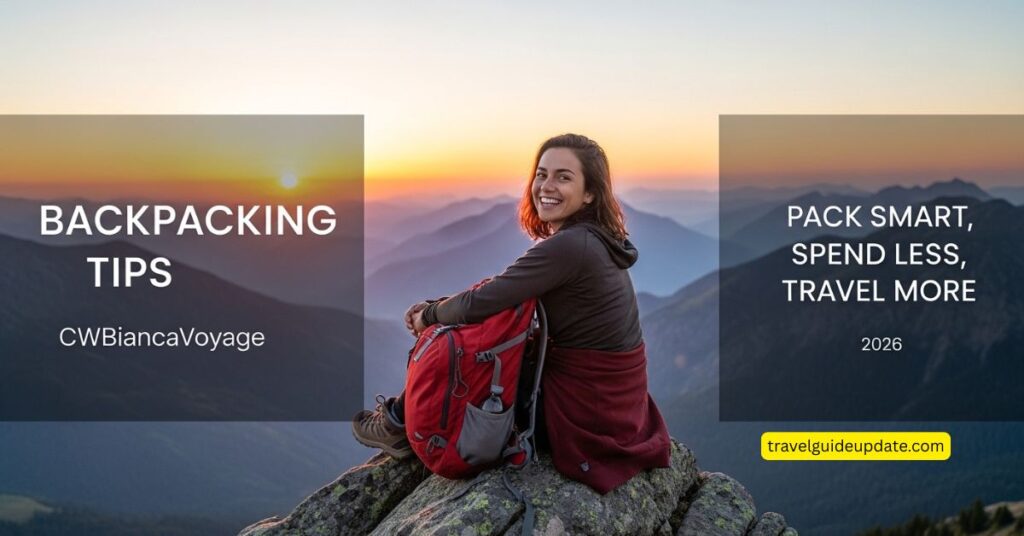
Going it alone is one of the best things you can do for yourself. No waiting on others. No group votes on where to eat. Just you, your bag, and the whole world.
But solo travel also comes with real questions. Is it safe? Will I be lonely? How do I not overspend? What if something goes wrong?
This guide answers all of that — and more. Whether this is your first solo trip or your fiftieth, you’ll find tips here you can use right now.
Before You Go: Planning Your Solo Trip
Start Small if You’re New to This
You don’t have to fly to the other side of the world for your first solo trip. Start with a city a few hours from home. Stay two nights. Get a feel for being alone in a new place.
Once you do that once, the fear drops fast. Each trip builds your confidence for the next one.
Pick the Right Destination for Your Experience Level
Not all places are equal for solo travelers. Some cities are very easy. Others need more experience.
| Destination Type | Best For | Examples |
|---|---|---|
| English-speaking cities | First-time solos | London, Sydney, Toronto |
| Easy non-English cities | Some experience | Tokyo, Lisbon, Amsterdam |
| Off-the-beaten-path | Experienced solos | Rural Southeast Asia, parts of Africa |
| Remote or rural areas | Very experienced | Patagonia, rural Central Asia |
Book the First Night in Advance
You don’t have to plan every day. But always book where you’ll sleep on night one. Arriving tired in a new city without a bed locked in is stressful. One confirmed booking = peace of mind.
Share Your Plans With Someone at Home
Tell a friend or family member:
- Where you’re going
- Where you’re staying
- Your rough itinerary
- How often you’ll check in
This isn’t just for safety. It also means someone notices if something goes wrong.
Get Travel Insurance — Every Single Time
This is not optional. Medical bills in another country can wipe you out. Good travel insurance covers:
- Emergency hospital care
- Trip cancellations
- Lost or stolen gear
- Emergency evacuation
Shop around. Read what’s covered. Don’t just buy the cheapest one.
Solo Travel Safety Tips That Go Beyond the Basics
Trust Your Gut — Always
This is the number one rule. If a person, a street, or a situation feels off — leave. You don’t need a reason. You don’t owe anyone an explanation.
Your gut is fast. Your brain will catch up later. Listen to the fast one.
Stay in Public With People You’ve Just Met
This applies everywhere. If you meet someone at a hostel bar or on a tour and they seem great — still keep things public. Coffee, a walk, dinner at a busy restaurant. Not their car. Not their apartment. Not a deserted beach.
This is not about being paranoid. It’s just smart.
Know Your Emergency Numbers Before You Land
Look these up before your flight lands:
- Local police number (not always 911)
- Nearest hospital or clinic
- Your country’s embassy or consulate in that city
- Your insurance company’s emergency line
Save them in your phone under “EMERGENCY.”
Use a Door Alarm When Staying Alone
A small wedge alarm costs almost nothing. You put it under your hotel room door. If someone tries to open it, an alarm goes off. It’s one of the most underrated pieces of solo travel gear.
Be Smart With Your Phone in Public
Keep your phone in your front pocket or a bag you’re holding. Don’t stand on a street corner staring at maps with your phone out. Step into a shop or café to check directions. Phones are a top target for pickpockets worldwide.
Make Copies of Your Documents
Before every trip:
- Photograph your passport, visa, and travel insurance
- Email those photos to yourself
- Keep a printed copy in a separate bag from your originals
If your bag gets stolen, you’ll be very glad you did this.
How to Meet People When You Travel Alone?

One of the biggest worries about solo travel is loneliness. Here’s the truth: you often meet more people when you travel alone than when you travel with friends.
Stay in Hostels (Even One Night)
Hostels are not just for 20-year-olds on a budget. Many hostels now offer private rooms. The common areas — kitchens, lounges, rooftops — are where real connections happen.
Even one or two nights in a hostel can set you up with a travel buddy for days.
Take a Free Walking Tour
Almost every city has them. You pay nothing (or just tip the guide). You walk around with 10–20 people for a few hours. You learn the city and meet other travelers at the same time.
It’s one of the easiest ways to start a conversation. Everyone’s in the same boat.
Join a Local Meetup Group
Meetup.com has groups for hikers, foodies, language learners, board gamers — almost anything. Most welcome visitors. You show up, do something you enjoy, and meet people who live there.
This is how you get a real local experience, not a tourist one.
Eat at the Bar or Counter
If a restaurant has bar seating or a counter, sit there. It’s much easier to chat with the person next to you than it is at a table alone. Bartenders and staff are also usually happy to talk. Ask them what’s good. Where they’d go on a day off. That leads to real conversations.
Say Yes More Than You Usually Would
When a fellow traveler invites you to see a sunset, try a new food, or join a day trip — say yes. The best solo travel memories usually start with a moment where you almost said no.
Saving Money as a Solo Traveler
Solo travel can cost more per person than group travel. No splitting rooms. No sharing meals. But there are real ways to keep costs down.
Beat the Single Supplement on Tours and Cruises
The “single supplement” is the fee you pay to not share a room on a tour or cruise. It can add 30–100% to your cost. Here’s how to avoid it:
- Look for tours that offer no-supplement deals (many companies do)
- Ask to be matched with a same-gender roommate
- Book early — no-supplement spots fill up fast
- Travel in shoulder or off-season when deals are easier to find
Use Home Exchange to Cut Accommodation Costs
Home exchange means you swap homes with someone in another country. You stay in their place for free. They stay in yours. Sites like HomeExchange.com make this easy to set up.
It’s not for every trip. But for a longer stay in one city, it can save you hundreds or thousands of dollars.
Mix Your Accommodation Types
You don’t have to stay in one type of place the whole trip. Try:
- Hostels for social nights and budget savings
- Mid-range hotels when you need rest and a private space
- Apartments for longer stays (usually cheaper per night)
- Home exchange for zero accommodation cost
Mixing it up lets you balance budget and comfort.
Eat Like a Local
The places tourists eat are almost always more expensive and less good. Ask your hostel staff, hotel front desk, or locals where they eat. Look for:
- Markets and street food stalls
- Lunch specials at sit-down restaurants
- Grocery stores for breakfast items
Travel Slower
Moving every two days costs money. Buses, trains, taxis, city cards — it all adds up. Staying in one place for 4–5 days instead of 2 saves real cash and gives you a deeper experience.
How to Make the Most of Every Destination?
Start With a Hop-On Hop-Off Bus (Especially if You’re Jetlagged)
These buses are often seen as touristy. And yes, they are. But they’re also incredibly useful. When you’re exhausted after a long flight, getting on a loop bus lets you see the whole city without planning anything. You can just sit. Look. Listen. Take notes on what you want to come back to.
Don’t write it off.
Go to the Neighborhoods Locals Live In
The main square is fine for one afternoon. But the real texture of a city is in the neighborhoods. Cafés where people actually go. Parks where families spend the weekend. Small shops. Street art. Walk through these areas with no plan and just notice things.
Take at Least One Day With Zero Plans
Not every day needs to be packed. Give yourself one full day with nothing booked. Sleep in. Wander. Go wherever feels interesting. Some of the best solo travel moments happen when you’re not trying to make them happen.
Learn 10 Words in the Local Language
You don’t need to be fluent. But learning these 10 words makes a real difference:
- Hello
- Thank you
- Please
- Sorry / Excuse me
- Yes
- No
- How much?
- Where is…?
- I don’t understand
- Do you speak English?
People notice when you try. It changes how they treat you.
Use a Local Transit Card, Not Taxis
In most major cities, a transit card (metro, bus, tram) costs a fraction of taxis. Get one on day one. Use it everywhere. You’ll move faster, spend less, and feel more like you live there.
Bonus: Tips Most Articles Don’t Cover
Prepare Your Body Before the Trip
Solo travel is physical. You walk a lot. You carry your bag. You climb stairs, hike hills, stand in lines. Start walking more at home before your trip. Even 30 minutes a day for a few weeks makes a difference. You’ll enjoy the trip much more if your feet and knees aren’t giving out by day three.
Have a “Just in Case” Fund
Separate from your travel budget, keep a small emergency fund. Even $200–300 can cover a missed bus, a broken phone, or an unexpected night in a different city. This isn’t money you spend. It’s money that makes you feel calm.
Travel With a Portable Charger
Your phone is your map, your translator, your camera, and your emergency line. A dead battery in an unfamiliar city is a real problem. Carry a small portable charger and keep it topped up.
Keep a Travel Journal
You don’t have to be a writer. Even a few short notes each night — what you saw, who you met, how you felt — adds up to something amazing to look back on. Phones work fine for this. No fancy notebook required.
Build Your Travel Habit at Home
The best solo travelers don’t just travel. They live in a way that keeps them ready to travel. They:
- Save a small amount each month into a travel fund
- Read books, watch films, and listen to podcasts from other cultures
- Stay physically active so they have the energy for the road
- Stay curious every day, not just when abroad
Travel isn’t just something you do once in a while. It can become part of how you live.
Solo Travel Safety Checklist (Print This Out)
✅ Book first night’s accommodation in advance
✅ Share itinerary with someone at home
✅ Buy travel insurance
✅ Photograph and email copies of all documents
✅ Save emergency numbers in phone
✅ Carry door alarm for hotel stays
✅ Keep phone out of sight in public
✅ Research local scams in your destination
✅ Know where your nearest embassy is
✅ Have an emergency backup fund
Frequently Asked Questions About Solo Travel
Is solo travel safe?
Yes, for most people in most places. The key is being aware, not fearful. Trust your gut, stay in busy areas at night, don’t broadcast that you’re alone, and keep your valuables secure. Millions of people travel solo every year without incident.
What is the best country for first-time solo travelers?
Japan, Portugal, Iceland, New Zealand, and Canada are often recommended for first-timers. They’re safe, easy to get around, English is widely spoken or people are helpful even without it, and the infrastructure for tourists is strong.
How do I not feel lonely when traveling solo?
Stay in social accommodations like hostels. Join free walking tours. Use Meetup.com to find local groups. Sit at bars and counters when eating. Smile and say hello. Loneliness on solo trips usually comes from isolating yourself — and that’s something you can choose not to do.
How much money do I need for a solo trip?
It depends heavily on where you go and how you travel. Budget travelers can get by on $50–60 per day in Southeast Asia. In Western Europe, $100–150 per day is more realistic. Planning and flexibility make a bigger difference than the number itself.
Should I tell people I’m traveling alone?
You can, but you don’t have to. In accommodation, saying you’re alone is fine and normal. In casual conversation with strangers, there’s no harm in implying you have a friend nearby. Use your judgment based on the situation.
What’s the biggest mistake solo travelers make?
Over-planning. When every hour is booked, you have no room for the surprises — the market you stumble on, the person who invites you for coffee, the view you didn’t know existed. Leave gaps in your schedule.
Is solo travel worth it?
Yes. Ask almost any solo traveler and they’ll tell you it changed them. You learn things about yourself that group travel never shows you. You make decisions you’re proud of. You meet people you never would have met otherwise. It’s worth it.
Conclusion
Solo travel is not just about seeing new places—it’s about discovering how capable, confident, and independent you can be. With the right planning, safety habits, and an open mindset, traveling alone becomes less about fear and more about freedom. You learn to trust yourself, adapt quickly, meet new people, and enjoy your own company in a way that group travel rarely offers. Whether it’s your first solo trip or your fiftieth, each journey adds a new layer of experience and growth. Start small, stay aware, and embrace the unknown—the world becomes much bigger and more exciting when you explore it on your own terms.