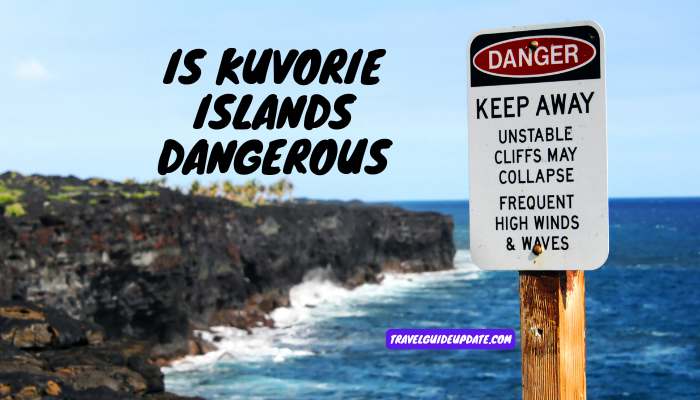
So you’ve heard about the Kuvorie Islands. You’ve seen the photos. Now you’re asking the one question everyone asks: is it actually safe to go there?
Here’s the short answer: the Kuvorie Islands are not deadly. But they are not a beach resort either. They sit in a class of places that rewards prepared travelers — and punishes unprepared ones.
In this guide, we’ll go through every real risk, what it means for you, and exactly how to handle it. No vague warnings. No filler. Just what you actually need to know before you go.
What Are the Kuvorie Islands, Exactly?
Before we talk danger, you need to know what you’re dealing with.
The Kuvorie Islands are a remote island chain. They sit far from major shipping lanes and tourist routes. Think rugged coastlines, dense jungle, volcanic terrain, and open ocean in every direction. There is no resort strip here. No airport with daily flights. No big chain hotels.
What you get instead: raw nature, real isolation, and an environment that has not been softened for visitors. That combination is what draws explorers, researchers, and adventure travelers. It is also what makes the question “is Kuvorie Islands dangerous?” worth asking seriously.
The Real Dangers at Kuvorie Islands (And How Serious Each One Is?)

Let’s go through each risk honestly. Some are major. Some are minor if you plan well.
Isolation: The Risk Most People Underestimate
This is the big one. The Kuvorie Islands are genuinely remote. If something goes wrong — a bad fall, a medical event, a boat problem — help is not nearby.
There is no 911 you can call. Response times in remote island areas can exceed 30 minutes even for basic emergencies. In some parts of the island chain, evacuation to proper medical care means a long trip off the islands entirely.
What this means for you: you cannot rely on rescue as your safety plan. Your preparation is your safety plan.
How to handle it: Bring a satellite communication device (like a personal locator beacon or a two-way satellite messenger). Tell someone on the mainland your exact route and expected return time. Carry a first aid kit built for wilderness situations, not a tiny travel kit.
Volcanic and Seismic Activity
The Kuvorie Islands sit in a geologically active zone. Dormant volcanoes, like the shield volcano on the island of Kaelara, define the landscape. The black sand beaches are proof of ancient lava flows.
“Dormant” does not mean “inactive forever.” Seismic events can happen with little notice. These include small earthquakes, which are common in volcanic island chains, and the much rarer but more serious event: a tsunami triggered by an underwater quake.
How to handle it: Know the tsunami evacuation routes for any area you stay in. Move to high ground immediately if you feel strong, sustained shaking. Do not wait for an official warning if you are near the coast.
Unpredictable Weather and Fog
Weather in remote island environments is fast and unforgiving. Fog rolls in quickly — sometimes within minutes. Storms that look small on a forecast can become severe when they reach an island chain surrounded by open ocean.
This matters most if you are on the water. A boat crossing that looks calm at 8 a.m. can turn rough by noon. Fog reduces visibility to almost nothing. Waves that seem manageable from the shore can be dangerous for a small charter vessel.
Some island chains in similar environments experience more than 180 days of heavy fog per year. The Kuvorie Islands have similar conditions.
How to handle it: Check weather before any boat trip. Do not cross open water if conditions are uncertain. Build flexibility into your schedule — being stuck for a day or two due to weather is normal here, not a disaster. It becomes a disaster only if you have a tight connection to catch.
Ocean Currents and Water Safety
The ocean around the Kuvorie Islands is beautiful. It is also powerful.
Currents near island shores are unpredictable. They change with tides and can shift fast. A swimmer who feels confident in still water can get into trouble quickly when a current grabs them. Rough water near cliffs and rocky coastlines can push a swimmer into rocks before they can react.
How to handle it: Never swim alone. Check tide conditions before entering the water. Avoid swimming near rocky headlands, even if the water looks calm. Local guides will know which beaches are safe at which times of day — use that knowledge.
Wildlife Encounters
The Kuvorie Islands have a natural ecosystem that most visitors never encounter anywhere else. That comes with some considerations.
Marine wildlife near the islands includes jellyfish that can deliver painful stings. Shark sightings, while rare, are documented in remote Pacific island waters. On land, certain bird species are territorial during nesting season and have been known to act defensively toward hikers who get too close to nesting sites.
Sea snakes have been reported in some areas of similar island chains. They are generally non-aggressive but venomous.
How to handle it: Observe wildlife from a distance. Do not reach into rock pools or touch marine creatures you cannot identify. During nesting season, give birds plenty of space on trail approaches. If you are unsure what you are looking at underwater, do not approach it.
Terrain: Cliffs, Jungle, and Uneven Ground
The Kuvorie Islands are not flat. The terrain includes steep coastal cliffs, dense jungle with limited visibility, and uneven lava-based ground that can be sharp and unstable.
About 30% of visitors in remote island environments report challenges related to hiking conditions. Falls on steep terrain are one of the most common causes of injury in places like this. The combination of wet conditions (rain and humidity are frequent) and volcanic rock makes footing unreliable.
How to handle it: Wear proper hiking boots with ankle support — not sandals or trail runners. Do not hike solo in interior areas. Stick to known paths unless you are with a guide who knows the terrain. After rain, rocky trails are significantly more slippery than they look.
No Cell Service or Internet
This is not just an inconvenience — it is a real safety factor. If you are used to being able to call for help, look up information, or navigate with your phone, the Kuvorie Islands will require a complete mindset shift.
There is no reliable cell service across most of the island chain. This means no maps on your phone. No ability to call for help. No way to check weather updates in real time unless you bring dedicated equipment.
How to handle it: Download offline maps before you leave. Bring a dedicated GPS device. Carry a satellite communicator. Learn to read terrain and use a physical compass. These are not optional extras here — they are basics.
Limited Medical Facilities
Medical care on the Kuvorie Islands is basic at best. There is no hospital equipped for serious emergencies anywhere on the island chain. Anything beyond minor first aid will require evacuation — either by boat or by helicopter if conditions allow.
This is not unusual for remote island environments, but it is important to understand before you go.
How to handle it: Purchase comprehensive travel insurance that explicitly covers medical evacuation. Confirm this coverage before you leave — some standard travel policies exclude remote locations. Bring prescription medications in amounts larger than you think you need, because resupply is not possible on the islands.
Who Is the Kuvorie Islands Right For?
Here is an honest breakdown.
| Traveler Type | Is It Right for You? |
|---|---|
| Experienced wilderness trekker | Yes, with preparation |
| Wildlife researcher or naturalist | Yes, ideal environment |
| Adventure traveler with expedition experience | Yes |
| Solo traveler without wilderness skills | Risky — not recommended |
| Casual vacationer seeking relaxation | No — wrong destination |
| Family with young children | Not recommended |
| Anyone with serious medical conditions | Consult your doctor first |
The Kuvorie Islands are not a destination for casual tourism. They are an expedition-level destination. That does not mean they are off-limits. It means you need to approach them the way you would approach any serious wilderness trip — with respect, preparation, and realistic expectations.
5 Things You Must Do Before You Visit
These are not optional. They are the difference between a great trip and a dangerous one.
1. Get a satellite communicator. Not a phone. A dedicated satellite device that works with no cell coverage. A personal locator beacon (PLB) or two-way satellite messenger (like a Garmin inReach) can summon rescue from anywhere on Earth.
2. Buy travel insurance with medical evacuation coverage. Read the policy. Make sure it covers remote islands and medical airlift. Cheap travel insurance often excludes these situations.
3. Hire a local guide for any inland or water activity. Local guides know the terrain, the tides, the wildlife, and the weather patterns. This is the single most effective thing you can do to reduce risk on the islands.
4. File a detailed trip plan with someone reliable. Write down where you are going, your route, and the date by which someone should raise the alarm if they have not heard from you. Leave this with a person — not just a note in your email drafts.
5. Learn basic wilderness first aid before you go. A one-day wilderness first aid course teaches you how to handle the most common emergencies — fractures, deep cuts, hypothermia — in situations where professional medical help is hours away.
What the Kuvorie Islands Are Not Dangerous For?
This is worth saying clearly, because a lot of the content online leaves you with a vague fear without specifics.
The Kuvorie Islands do not have a significant crime problem. There are no reports of violent crime targeting travelers. It is not a politically unstable region. There are no disease outbreaks unique to the islands. There are no dangerous large predators on land.
The risks here are almost entirely environmental. Nature is the variable. Human behavior — specifically, your level of preparation — is what determines whether that variable becomes dangerous.
Most travelers who have trouble in remote islands like this had one of these problems: they underestimated the weather, they went off-trail without a guide, they had a medical event without adequate supplies, or they depended on their phone and found it useless.
Every one of those problems is preventable.
Month-by-Month: Best and Worst Times to Visit
| Time of Year | Conditions | Recommendation |
|---|---|---|
| January – March | Higher storm risk, rough seas | Not ideal for water activities |
| April – June | Conditions improve, fog still present | Good with caution |
| July – September | Most stable weather window | Best time to visit |
| October – December | Storm season returns | Advanced experience recommended |
Weather patterns in remote Pacific island chains tend to follow this general structure, with a mid-year window of more stable conditions. Always verify conditions for the specific year you plan to visit, as weather patterns vary.
What to Pack?: The Non-Negotiable List
You will not find a pharmacy or gear shop on the Kuvorie Islands. What you bring is what you have.
Safety essentials:
- Satellite communicator (PLB or two-way messenger)
- Physical map and compass
- Waterproof torch with spare batteries
- Emergency whistle
- Personal locator beacon as backup
Medical supplies:
- Wilderness first aid kit (not a standard travel kit)
- Your prescription medications plus a 5-day buffer
- Antihistamines for insect and jellyfish stings
- Antiseptic and wound closure strips
- Oral rehydration salts
Clothing and gear:
- Waterproof jacket and trousers
- Ankle-support hiking boots
- Quick-dry base layers
- Sun protection (UV is intense at sea)
- Insect repellent
Food and water:
- Water purification tablets or a filter
- Calorie-dense emergency food for at least two extra days
- Reusable water bottles (minimum 2 liters capacity)
Frequently Asked Questions
Is Kuvorie Islands dangerous for solo travelers? Solo travel is risky here unless you have serious expedition experience. The combination of no cell service, remote terrain, unpredictable weather, and limited medical access means you need a high level of self-sufficiency. If you are going solo, a satellite communicator and a filed trip plan are non-negotiable.
Is there any crime on the Kuvorie Islands? There are no significant reports of crime targeting travelers on the Kuvorie Islands. The dangers here are environmental — weather, terrain, wildlife, isolation — not human. That said, common-sense precautions (securing valuables, being aware of your surroundings) always apply.
Can families with children visit the Kuvorie Islands? The Kuvorie Islands are not recommended for families with young children. The terrain is demanding, medical facilities are very limited, and the level of physical preparation required is high. Families with older, experienced teens and a high level of outdoor experience could consider it with proper planning.
What happens if there is a medical emergency on the islands? A serious medical emergency would require evacuation. Response times for remote areas are often well over 30 minutes, and anything beyond basic first aid would require transport off the islands. This is why travel insurance with medical evacuation coverage and a satellite communicator are essential, not optional.
Is there a good time of year to visit? The mid-year window — roughly July through September — offers the most stable weather conditions. This is the recommended window for less experienced visitors. More experienced travelers may visit outside this window but should expect more challenging conditions.
Do I need a guide for the Kuvorie Islands? For any hiking in interior areas, any water activity, or any boat crossing, a local guide is strongly recommended. Local guides understand the specific terrain, tidal patterns, and seasonal wildlife behavior in a way that no guidebook or GPS device can replicate.
Is Kuvorie Islands worth the effort and risk? For the right traveler — yes, absolutely. The isolation that makes it demanding also makes it extraordinary. You will see things that most people will never see. You will not fight for space on a beach or wait in line at a viewpoint. For anyone who has been craving real wilderness, the Kuvorie Islands deliver it fully and honestly. The key is going in with your eyes open.
The Bottom Line
Is Kuvorie Islands dangerous? It can be — if you go unprepared.
The islands are volcanically active. The weather is unpredictable. The ocean is powerful. There is no cell service, no hospital, and no rescue service standing by. If something goes wrong and you are not equipped for it, the consequences are serious.
But that is true of any real wilderness destination.
The travelers who come back from the Kuvorie Islands with stories they will tell for the rest of their lives are the ones who treated this as an expedition, not a holiday. They prepared. They hired a guide. They brought the right gear. They respected the environment.