Here’s a number that should stop you mid-scroll: $31.7 billion.
That’s what Delta’s SkyMiles loyalty program is worth today. Not Delta the airline. Just its points program.
Welcome to the wild world of airline loyalty in 2026 — where a program that hands out free flights has become worth more than most countries’ entire airline industries.
A new report from loyalty consultancy On Point Loyalty ranked the 100 most valuable frequent flyer programs on Earth. They looked at more than 170 airlines. The results are fascinating — and a little shocking.
Here’s everything you need to know. Plus, we’ll tell you what it means for your miles.
The Top 10 Most Valuable Airline Loyalty Programs in 2026
The big three US carriers still lead the pack. But some programs have grown incredibly fast since the last report in 2023.
| Rank | Program | Airline(s) | 2026 Value | 2023 Value | Change |
|---|---|---|---|---|---|
| 1 | SkyMiles | Delta Air Lines | $31.7B | $27.9B | +14% |
| 2 | AAdvantage | American Airlines | $26.7B | $23.9B | +12% |
| 3 | MileagePlus | United Airlines | $25.3B | $22.0B | +15% |
| 4 | IAG Avios | British Airways, Iberia, Aer Lingus, Vueling | $10.3B | $7.1B | +45% |
| 5 | Rapid Rewards | Southwest Airlines | $8.9B | $8.8B | +1% |
| 6 | Miles & More | Lufthansa Group | $8.7B | $8.0B | +9% |
| 7 | Flying Blue | Air France, KLM, Transavia | $7.5B | $6.9B | +9% |
| 8 | Aeroplan | Air Canada | $7.4B | $6.8B | +9% |
| 9 | Qantas Frequent Flyer | Qantas, Jetstar | $7.0B | $4.3B | +63% |
| 10 | PhoenixMiles | Air China Group | $5.9B | $3.1B | +90% |
Source: On Point Loyalty, 2026 Global Frequent Flyer Programme Valuation Report
The same three programs hold the same top three spots as 2023. But look at who’s climbing fast. IAG Avios grew 45%. Qantas jumped 63%. And Air China’s PhoenixMiles nearly doubled in value — a 90% jump.
Southwest’s Rapid Rewards barely moved. Just 1% growth in three years.
Why US Airlines Still Dominate — By a Mile?
You might wonder: why do Delta, American, and United sit so far ahead of everyone else?
The answer comes down to one thing: co-branded credit cards.
In the US, banks pay airlines billions every year. How? They buy miles from the airlines and give those miles to customers who spend on their credit cards. It’s a simple trade. The bank gets a sticky, popular reward to attract cardholders. The airline gets a huge upfront cash payment.
This system is massive in the US. It’s far bigger than in most other countries.
- Delta earns more from American Express than from selling seats on many routes
- United’s deal with JPMorgan Chase has been running since 2010
- American Airlines has had its Citibank and Barclays partnerships for decades
These deals aren’t just perks for travelers. They are core revenue engines. In some cases, loyalty programs generate more profit than the airline’s actual flying business.
The Fastest-Growing Programs: Big Surprises in 2026
The headline grabbers in this report aren’t the top three. They’re the programs that grew the fastest.
PhoenixMiles (Air China) — Up 90%
Air China’s program was valued at $3.1 billion in 2023. Now it’s at $5.9 billion. That’s close to doubling in just three years.
What drove this? China’s domestic travel market roared back after COVID restrictions lifted. Air China expanded routes. And the Chinese middle class — now one of the largest in the world — is flying more than ever before.
Qantas Frequent Flyer — Up 63%
Qantas had a rough few years. Flight delays, angry customers, a very public PR crisis. But its loyalty program? It kept growing.
This shows something important: loyalty programs can outlast airline reputations. People may complain about Qantas flights, but they still earn and burn Qantas points at Woolworths, BP, and hundreds of other partners.
Qantas Frequent Flyer is now worth $7.0 billion — up from $4.3 billion in 2023.
IAG Avios — Up 45%
IAG runs British Airways, Iberia, Aer Lingus, and Vueling under one roof. They merged their loyalty currencies into Avios — one coin that works across all four airlines.
That unification paid off. IAG Avios jumped from $7.1 billion to $10.3 billion. It’s now firmly in fourth place worldwide.
The Newcomers: New Programs Worth Watching
Seventeen new programs entered the top 100 ranking in 2026. The biggest debut?
IndiGo’s BluChip program — valued at $534 million.
IndiGo is India’s largest airline by passengers. India’s aviation market is one of the fastest-growing on Earth. Its loyalty program is young, but its home market is enormous.
Other new entrants came from Southeast Asia, Africa, and Latin America — regions where the middle class is growing and air travel is becoming more common.
This tells us something big: the next wave of valuable loyalty programs will come from emerging markets.
How These Programs Are Valued: The Method Behind the Numbers?
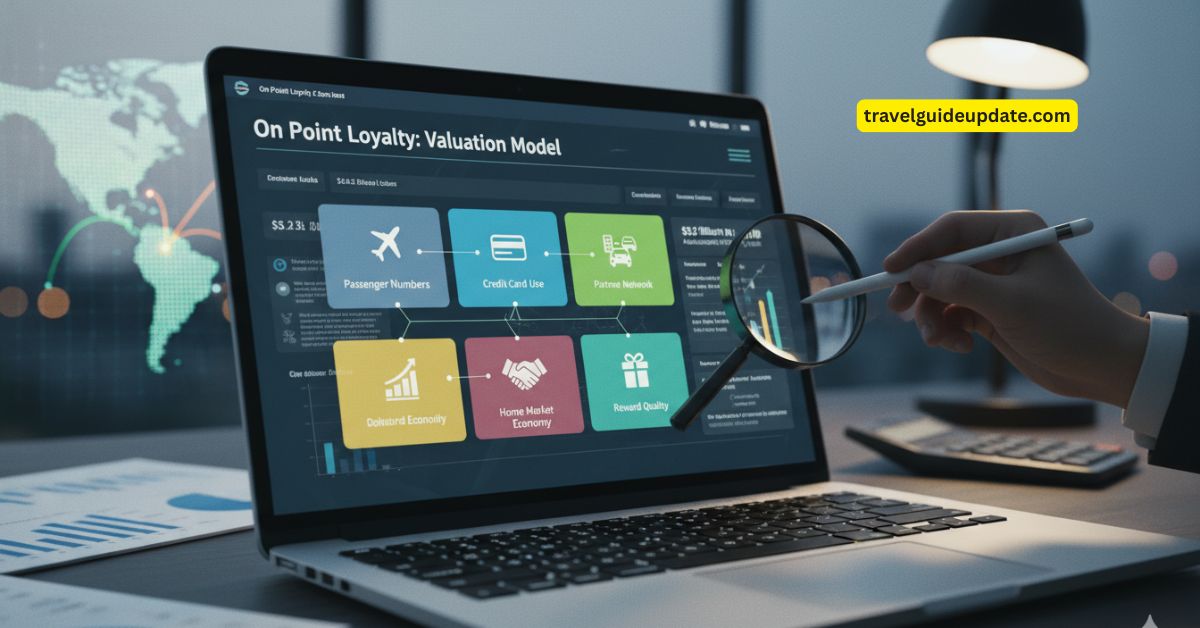
You might ask: how do you put a dollar figure on a points program?
On Point Loyalty used a model with more than 50 variables for each program. It’s not simple, but here’s the core idea:
- Passenger numbers — more flyers = more miles earned = more value
- Credit card use — how many people earn miles through spending (not just flying)
- Partner network — hotels, shops, car rentals that also give out miles
- Home market economy — GDP per capita, growth rates, consumer spending
- Airline financial health — a struggling airline hurts its program’s value
- Reward quality — how easy (or hard) it is to actually use your miles
The final value assumes someone buys a minority stake of 10% to 49% in the program. That’s the same way Qantas sold a stake in its program years ago, and the same way airlines used these programs as collateral during COVID.
A Brief History: How Loyalty Programs Became Worth Billions?
It started simply. In 1981, American Airlines launched AAdvantage — the first large-scale frequent flyer scheme. You flew miles. You earned miles. You got free flights. Clean and simple.
Within months, both MileagePlus (United) and SkyMiles (Delta) launched to compete.
By the mid-1980s, almost every major carrier had a scheme. But the real money didn’t come from flying. It came from credit cards.
In 1987, American Airlines teamed up with Citibank to launch the first co-branded mileage credit card. Now you could earn miles at the grocery store. At restaurants. Buying shoes. Miles untethered from flights.
The other US carriers followed fast:
- United partnered with First Chicago Corporation, then later with JPMorgan Chase
- Delta signed with American Express in 1996 — a deal that still runs today
- American Airlines added Barclays as a second card partner
“Airlines invented loyalty programmes, but banks have amplified them into multi-billion-dollar businesses,” said Jay Sorensen, President of IdeaWorksCompany.
“Today, banks and airlines are colliding over who owns the customer relationship. For consumers, the question is simple: are you loyal to the airline, or the bank?”
Why Airlines Need These Programs More Than Ever?
Here’s a sobering fact: airlines expect just 3.9% profit margins in 2026, according to IATA. The average profit per passenger? Just $7.90.
That’s not much cushion against a recession. Or a pandemic. Or a spike in fuel prices.
Loyalty programs provide something ticket sales can’t: recurring, high-margin revenue that doesn’t depend on a plane taking off on time.
When COVID hit, airlines couldn’t fly. But their loyalty programs were still generating value. Airlines used them as collateral to borrow billions during the crisis.
- Delta raised $9 billion using SkyMiles as collateral in 2020
- United raised $6.8 billion using MileagePlus
- American raised $10 billion using AAdvantage
Think about that. The points programs were worth more to lenders than the planes themselves.
Loyalty programs are no longer just marketing tools. They are the financial backbone of modern aviation.
What the Loyalty Rankings Mean for Your Miles?
Now you know the business side. But what does all this mean for you as a traveler?
More programs = more competition for your spending
With 17 new programs entering the top 100, airlines around the world are fighting harder for your loyalty. That’s good news for you. More perks, more bonuses, more ways to earn.
Big valuations = programs that aren’t going anywhere
When a program is worth $31 billion, it’s not getting cancelled next year. High-value programs like SkyMiles, AAdvantage, and MileagePlus have too much financial weight behind them to disappear.
Watch the fast-growing programs for value
Programs growing fast — like Qantas Frequent Flyer, IAG Avios, and PhoenixMiles — often increase partner offers and reward options to keep growing. Right now, they might offer better redemption value than the established giants.
Credit card miles vs. flight miles: Both matter
The credit card deal is where most of the revenue is. But you benefit too. Earning miles on everyday spending — groceries, gas, subscriptions — is often faster than earning through flights alone.
Key Stats at a Glance: 2026 Airline Loyalty Numbers
| Metric | 2026 Figure |
|---|---|
| Programs analyzed | 170+ airlines |
| Programs ranked | Top 100 |
| Average program value | $2.4 billion (up from $2.0B in 2023) |
| Programs that grew in value | 62 out of 100 |
| Programs that declined | 21 out of 100 |
| New entrants to top 100 | 17 programs |
| Top program (SkyMiles) value | $31.7 billion |
| Fastest growing top-10 (PhoenixMiles) | +90% |
| Biggest new entrant (IndiGo BluChip) | $534 million |
What to Watch for in Airline Loyalty: Trends in 2026?
1. Asia-Pacific programs are rising fast
PhoenixMiles nearly doubled. IndiGo debuted. Southeast Asian carriers are building loyalty ecosystems with retail, banking, and lifestyle brands. The center of gravity for loyalty is moving east.
2. Coalitions are outperforming solo programs
IAG’s 45% growth came from merging four airlines into one Avios currency. Programs that work across airlines, hotels, and credit cards grow faster than single-airline schemes.
3. Banks and airlines are competing — not just partnering
This is new. Airlines now want to own the customer at checkout, not just at the airport. Airlines are building their own payment tools, travel portals, and shopping apps. Banks don’t love this. Expect this tension to keep growing.
4. Emerging markets will produce the next wave of big programs
India, Southeast Asia, Africa, and Latin America have growing middle classes and fast-growing air travel. Their loyalty programs are small today. Give them five years.
Frequently Asked Questions About Airline Loyalty News
Q: Which airline loyalty program is the most valuable in 2026?
Delta SkyMiles. It’s valued at $31.7 billion — the most of any frequent flyer program in the world.
Q: Why are US airline loyalty programs worth so much more than others?
US programs are deeply linked to co-branded credit cards. American consumers use credit cards more than most countries, and banks pay airlines billions each year to hand out miles as card rewards.
Q: Did all airline loyalty programs grow in value since 2023?
No. Of the 100 ranked, 62 grew and 21 declined. Growth depended on home market economics, airline health, and how well each program expanded its partners.
Q: What is the fastest-growing loyalty program in the top 10?
Air China’s PhoenixMiles grew 90% — from $3.1 billion to $5.9 billion. That’s the biggest jump in the top 10 between 2023 and 2026.
Q: Which new loyalty program had the biggest debut in 2026?
IndiGo’s BluChip program debuted at $534 million, making it the strongest newcomer in the 2026 rankings.
Q: Can I trust that my miles won’t lose value?
Miles in high-value programs like SkyMiles, AAdvantage, and MileagePlus are backed by enormous financial structures. However, airlines can and do change reward rates, so it’s smart not to hoard miles for too long. Use them within 1–2 years of earning when possible.
Q: Are loyalty programs more valuable than the airlines themselves?
In some cases, yes. During COVID, lenders valued Delta’s SkyMiles program at roughly $26 billion — more than Delta’s market cap at the time. The programs have real, independent financial value.
Q: Should I focus my spending on one loyalty program?
For most people, yes. Concentrating miles in one program gives you more reward options faster. Pick the airline you fly most, or the credit card that partners with an airline whose routes suit you.
Q: What does the On Point Loyalty report measure exactly?
It values what a minority stake (10–49%) in each program would be worth if sold to an investor or listed publicly. It uses 50+ variables including passenger volumes, credit card data, partner networks, and home market economics.
Q: Is Southwest Rapid Rewards falling behind?
Its valuation barely moved — just 1% growth. Southwest has been facing business challenges and doesn’t operate internationally. For now, it holds 5th place, but it’s growing far slower than its peers.
The Bottom Line
Airline loyalty programs have come a long way from giving free flights to frequent flyers.
Today, they are worth tens of billions. They outlast airline reputations, serve as financial collateral, and generate more profit per dollar than seats on planes.
Delta SkyMiles leads at $31.7 billion. But the real story of 2026 is the speed of growth in places you might not expect — Air China, Qantas, IAG, and India’s IndiGo.
If you’re a traveler, this is good news. Competition for your loyalty is fierce. Programs are growing. Benefits are expanding. Your miles matter more than ever.