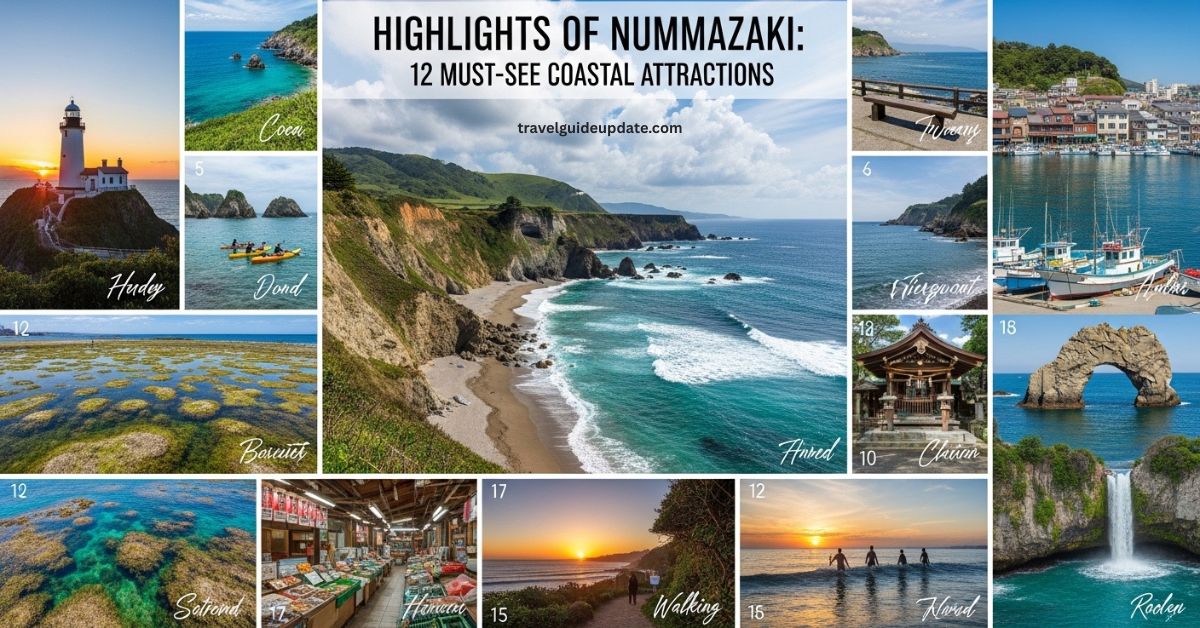
Nummazaki sits on the edge of Suruga Bay in Shizuoka Prefecture, Japan. It’s not on most tourist maps. There are no big theme parks. No neon signs. No long lines.
What it does have is a raw, real coastline. Fresh fish pulled from the bay each morning. Quiet cliff trails. Old fishing villages that still work the way they always have. And on a clear day — a perfect view of Mount Fuji across the water.
If you’ve been to Tokyo and Kyoto and want something different, Nummazaki is worth the trip. This guide covers every major highlight — plus a few things most travel blogs don’t mention.
What Makes Nummazaki Special?
Before we get into the specific spots, here’s a quick look at what sets this place apart:
| Feature | Nummazaki | Typical Tourist Town |
|---|---|---|
| Crowds | Very low | High to extreme |
| Seafood freshness | Same-day catch | Often shipped in |
| Commercial development | Minimal | Heavy |
| Entry fees at natural sites | None | Common |
| Mount Fuji views | Yes, from cliffs and coast | Rare |
| Hot springs nearby | Yes (Izu Peninsula) | Varies |
It’s accessible but not overrun. That’s a rare thing in Japan.
1. The Clifftop Coastal Trails
This is the first thing most visitors talk about. The cliffs along the Nummazaki coast are carved by wind and waves. They drop straight down into the Pacific.
A network of trails runs along the top. Some are short — 30 minutes or less. Others stretch on for hours if you want them to.
What to expect on the trails:
- Clear views of Suruga Bay below
- Open ocean to the east
- Mount Fuji visible to the north on clear days
- Wildflowers in spring and autumn color in fall
- Very few other hikers, even on weekends
The best time to walk the cliffs is early morning. The light is soft. The bay is calm. And you’ll likely have the path to yourself.
Practical tip: Wear shoes with grip. Some sections get slippery after rain. Bring water — there are no shops on the trail itself.
2. Views of Mount Fuji From the Bay
You can see Mount Fuji from many places in Japan. But seeing it from the Nummazaki coast is different.
You’re standing on a cliff above the ocean. The bay stretches out in front of you. And there — rising above the water — is Japan’s most famous mountain.
The best views happen:
- Winter mornings — cold air means sharp visibility
- After rainfall — the air clears out, the mountain looks close
- At sunrise — the mountain catches the first light before anything else
Winter is the top pick for Fuji views. The mountain is snowcapped and the sky tends to stay clear for long stretches.
3. The Fishing Harbors at Dawn
Set an alarm. Get to the harbor before 7am.
This is one of the most memorable things you can do in Nummazaki. The fishing boats come back in the early morning. You can watch them unload their catch while the sky turns from gray to gold.
Fishermen are busy but not unfriendly. The smell of salt and fresh fish fills the air. Seabirds circle overhead. It feels completely genuine — because it is.
What you’ll see at the harbor:
- Boats returning from overnight or early trips
- Fresh fish, squid, and shellfish being sorted and loaded
- Local buyers and restaurant owners picking up their daily supply
- Workers mending nets and cleaning equipment
This is not a performance. These people have been doing this for generations. You’re just watching real life happen.
4. Fresh Seafood and the Local Food Scene
Nummazaki’s food scene flows directly from the sea. The fish on your plate may have been in the bay three hours ago.
What to Order
| Dish | What It Is | Best Time to Try |
|---|---|---|
| Kaisendon | Seafood rice bowl with seasonal catches | Lunch at harbor restaurants |
| Sashimi set | Raw fish, same-day fresh | Any meal |
| Grilled whole fish | Local catch, charcoal grilled | Dinner |
| Harbor street food | Skewered squid, shrimp, scallops | Morning market hours |
| Sakuraebi dishes | Tiny pink shrimp from Suruga Bay | Spring and autumn |
Sakuraebi (cherry blossom shrimp) deserve a special mention. Suruga Bay is one of the only places in the world where they’re caught. They’re served raw, dried, or lightly fried. If you see them on a menu, order them.
Where to Eat
Skip the chain restaurants. Look for small places near the harbor with hand-written menus or plastic food displays. If the menu is only in Japanese — that’s often a good sign.
Many family restaurants have been run by the same families for decades. The food is simple, fresh, and priced reasonably.
5. Hidden Beaches and Tide Pools
Beyond the main cliffs, the coastline breaks into quieter spots. Small beaches tucked between rock formations. Coves that don’t appear on most maps.
These are not white-sand resort beaches. They’re real coastal terrain:
- Pebble beaches where the stones click and shift under your feet
- Tide pools full of sea urchins, small crabs, and anemones
- Rocky coves where the water is clear and calm in summer
- Driftwood and shell-scattered shores that beg for a slow walk
The lack of tourist development is what makes these spots worth finding. You can sit by the water for an hour and not see another person.
For families: The tide pools are safe for kids at low tide. Bring sandals and a bucket. There’s always something to find.
6. Suruga Bay Marine Wildlife
Suruga Bay is one of the deepest bays in Japan — it reaches over 2,500 meters at its deepest point. That depth means a huge range of sea life lives here.
Marine wildlife experiences in and around Nummazaki:
- Dolphin watching — bottlenose and spotted dolphins are commonly seen on boat tours
- Whale sightings — less common, but possible on longer offshore trips
- Snorkeling — best in July and August in the sheltered coves
- Shore spotting — migratory seabirds, cormorants, and herons along the cliffs
- Aquarium visits — local facilities focus specifically on Suruga Bay species
The Numazu Deep Sea Aquarium (Shizuoka Prefectural) near the area focuses on the unique creatures of Suruga Bay, including coelacanth specimens — one of the rarest fish displays in the world.
Even if you don’t go on a boat, just watching the sea from the cliffs often rewards patience.
7. Traditional Fishing Village Life
There are a few small fishing villages along the Nummazaki coast that most visitors walk right past. Don’t.
These communities have stayed largely the same for a long time. Old wooden houses near the water. Narrow lanes between boats. Locals who know each other by name.
Things worth slowing down for:
- Watch how nets are repaired — it’s a skill passed down through families
- Look at the older boats pulled up on shore, some hand-painted with numbers and symbols
- Notice the small shrines near the waterfront, placed there to protect fishermen at sea
- Walk the back lanes away from the main road
You won’t find souvenir shops or guided tours here. That’s the point.
8. Coastal Shrines and Cliff Temples
Shinto shrines and small Buddhist temples appear throughout the Nummazaki coastline. Many sit right on the cliffs. Others are tucked into forested hillsides above the water.
These are active places of worship, not museums. Locals visit them on regular days, not just festivals.
What to look for:
- Torii gates — often painted red, marking the entrance to a shrine
- Offering bowls and incense — signs that people still actively use these spaces
- Views from temple grounds — many have the best coastal vistas in the area
- Stone lanterns along paths, some mossy and very old
Visitor tip: Be quiet near active ceremonies. It’s fine to walk through and look, but step to the side if a local comes to pray. Small donations (coins) in the offering box are appreciated but never required.
Seasonal Festivals
A few times each year, the fishing communities hold ceremonies at these shrines:
- Boat blessing ceremonies before the main fishing seasons
- Lantern festivals — paper lanterns floated on the water at night
- Harvest and catch ceremonies — giving thanks for a good season
- New Year rituals — drawing large crowds of local families
These are not events staged for visitors. They happen whether tourists are there or not. That’s what makes attending one feel so meaningful.
9. Sunset and Sunrise Spots
Nummazaki’s position on Suruga Bay makes it ideal for watching the sky change.
Best sunrise spots:
- The main fishing harbor — boats on calm water reflect the first light perfectly
- Eastern clifftop paths — the sun rises over the open Pacific
Best sunset spots:
- Higher cliff viewpoints to the west — the bay turns orange and deep red
- Open hillsides above town — wide sky views with the ocean below
Photographers come back to Nummazaki repeatedly. The combination of cliffs, bay, and mountain backdrop creates shots that look edited even when they’re not.
10. Local Arts and Crafts
Nummazaki has a small but genuine creative community. Many artists live here because of the light, the coast, and the slower pace.
What you can find and do:
- Small galleries showing paintings, ceramics, and photography inspired by the coast
- Pottery workshops where you can try making your own piece
- Calligraphy classes aimed at visitors — no experience needed
- Local shops selling handmade items: carved wood, glazed bowls, woven cloth
The handmade goods sold here are practical and well-made. They’re nothing like the mass-produced souvenirs you’ll find in tourist areas. A hand-thrown ceramic cup or a small carved piece makes a far better travel memory.
11. Hot Springs Near Nummazaki (Izu Peninsula Onsen)
The Izu Peninsula stretches south of Nummazaki. It sits on top of where four tectonic plates meet. That means the area is full of natural hot springs — onsen — and has been for centuries.
After a day of hiking and exploring, soaking in thermal water is a perfect way to end the day.
Top Hot Spring Areas Near Nummazaki
| Onsen Town | Distance from Nummazaki | Known For |
|---|---|---|
| Shuzenji Onsen | ~40 min by car | 1,200-year-old springs, bamboo valley, very peaceful |
| Numazu Onsen | ~20 min | Ocean views, bay-facing baths |
| Heda Onsen | ~50 min | Suruga Bay views, sulfate springs, quiet village feel |
| Atami Onsen | ~30 min | Large resort options, easy access, bustling town |
| Ito Onsen | ~45 min | Seafront baths, mild water, family-friendly |
Shuzenji is the most recommended. It’s old and calm, with a bamboo-lined river walking path between the main baths. Many ryokan (traditional inns) here include dinner and breakfast — fresh Izu seafood, local mountain vegetables, and green tea from the region.
Onsen etiquette quick guide:
- Wash your body fully before entering the communal bath
- Tattoos are not allowed in most traditional onsen
- Bring a small towel but don’t put it in the water
- No swimwear in traditional baths — it’s clothing-optional
12. Day Trips and Nearby Attractions
Nummazaki makes a great base for exploring the wider Shizuoka coast.
Easy day trips from Nummazaki:
- Numazu City (~20 min) — larger city with a fresh fish market, port area, and Deep Sea World aquarium
- Mito no Hama — a white sand beach popular in summer, less busy than Izu resorts
- Daruma-yama Highland — mountain plateau with panoramic Fuji and ocean views
- Heda Village — one of the most preserved fishing villages in the region
- Izu Peninsula drive — a coastal loop through tiny seaside towns and dramatic cliffs
If you have a rental car, the Izu coastal road is one of the best drives in the Chubu region. The road clings to cliff edges with ocean on one side and mountains on the other.
Best Time to Visit Nummazaki
| Season | Months | What’s Good | What’s Not |
|---|---|---|---|
| Spring | March–May | Cherry blossoms, mild weather, good hiking | Some rain in May |
| Summer | June–August | Snorkeling, beach coves, marine tours | More humid, more visitors |
| Autumn | Sept–November | Best trail colors, cool temperatures, fewer crowds | Typhoon risk in September |
| Winter | Dec–February | Sharpest Mount Fuji views, quiet, raw coastal atmosphere | Cold, some facilities closed |
Our top pick: Late October to early November. The trails are cool and comfortable. The bay is calm. The Fuji views are getting sharper as winter air moves in. And visitor numbers are at their lowest.
Second pick: Late February to March. Just before the cherry blossom rush. Clear skies. Cold but manageable. The harbors are fully active.
How to Get to Nummazaki?
Getting here from major Japanese cities is straightforward.
From Tokyo:
- Take the Tokaido Shinkansen to Mishima or Numazu (~1 hour)
- Transfer to a local train or bus heading south (~30–40 min more)
- Total travel time: roughly 1.5 to 2 hours
From Nagoya:
- Shinkansen to Mishima (~45 min), then local transport south
- Total: around 1.5 hours
From Osaka:
- Shinkansen to Shizuoka or Mishima (~1.5 hours), then local connection
- Total: roughly 2–2.5 hours
Getting around Nummazaki:
- Most coastal spots are walkable from the main town area
- A rental bicycle is ideal for reaching slightly further beaches and villages
- A rental car gives you the most freedom, especially for hot spring day trips
- Local buses connect the main stops but run infrequently — check the schedule in advance
How long to stay:
- 1 day: You can cover the harbor, one cliff trail, and lunch
- 2 days: Add a full coastal hike, village walk, and evening onsen
- 3+ days: Explore the full peninsula, multiple fishing villages, and multiple onsen towns
What to Pack for Nummazaki?
- Comfortable walking shoes with grip (for cliff trails)
- A small daypack with water and snacks (no shops on trails)
- A light rain layer (coastal weather changes quickly)
- Cash — small restaurants and markets often don’t take cards
- A small towel if you plan to use an onsen
- Camera or phone with plenty of storage — you’ll use it
Frequently Asked Questions
Is Nummazaki worth visiting if I’ve already been to Kyoto and Tokyo? Yes — especially if you want something calmer and more local. It shows you a side of Japan that most visitors never see.
Do I need to speak Japanese to visit Nummazaki? You don’t need to. English signage is limited but the town is easy to navigate. Translation apps work well for menus and conversations.
Is Nummazaki safe for solo travelers? Very much so. Japan is one of the safest countries for solo travel, and Nummazaki’s small size makes it easy to get around confidently on your own.
Are there good options for kids? Yes. The tide pools, harbor mornings, and seafood meals are all great for families. Keep young children close on the clifftop trails.
How much does a typical day in Nummazaki cost? Budget roughly ¥3,000–¥6,000 per person per day for food and transport. Accommodation near the coast ranges from ¥8,000 to ¥20,000+ per night depending on the type (guesthouse vs. ryokan).
Can I combine Nummazaki with a Mount Fuji trip? Yes — and it works well. The Shinkansen connects both areas. Many travelers do two days in Nummazaki, then head north to the Fuji Five Lakes area.
What’s the biggest mistake visitors make? Arriving only for a few hours. Nummazaki rewards slow travel. Give it at least one night and you’ll understand why people come back.
Is it possible to swim at the beaches? Yes, in summer. The sheltered coves are safest. Check local signs for any restrictions, especially after storms.
Are the onsen family-friendly? Many are. Some have private family bath options (kazoku buro) if you’d prefer a private experience. Always check the facility’s rules on children beforehand.
What’s unique about Suruga Bay’s seafood compared to other parts of Japan? Suruga Bay’s extreme depth creates cold, nutrient-rich water. This affects the flavor and quality of the fish, shrimp, and shellfish caught here. Sakuraebi (cherry blossom shrimp) are caught almost exclusively in this bay.
Final Thoughts
Nummazaki is not a destination that shows off. It doesn’t need to.
The cliffs are dramatic without any help. The seafood speaks for itself. The fishing villages are real. And the hot springs nearby are some of the best in the country.
If you want a Japan experience that feels genuine — one that isn’t designed for Instagram or built around tourist expectations — this is the place to go. Put it on your list. And when you get there, slow down.