Road trips are fun. But they can also drain your wallet, wear you out, and go sideways fast — if you don’t plan right.
That’s where car travel on PaxTravelTweaks comes in.
It’s not a complicated system. It’s a simple, smart way to plan road trips so you spend less, stress less, and enjoy every mile more.
This guide covers everything — from budgeting to packing, fuel hacks to safety checks. And it goes way beyond what most guides ever tell you.
What Is Car Travel on PaxTravelTweaks?
PaxTravelTweaks is a road trip approach built around one idea: plan smart, spend less, enjoy more.
It means using smart tools, simple habits, and real-world tricks to make every car trip better. You don’t need to be a travel expert. You just need the right info.
Here’s what it focuses on:
- Cutting fuel and food costs
- Picking the best routes
- Packing only what you need
- Staying safe on long drives
- Making the trip fun — not just functional
It works for solo travelers, couples, families, and friend groups. And it works for trips of any length — from a 2-hour drive to a 2-week road trip.
Why Car Travel Beats Other Options (Most of the Time)?
Let’s be honest. Planes are fast. Trains are comfy. But cars win on flexibility — every time.
Here’s a quick look at how car travel stacks up:
| Travel Type | Cost Control | Flexibility | Stops Along the Way | Best For |
|---|---|---|---|---|
| Car | High | Very High | As many as you want | Families, groups, road trips |
| Plane | Low | Low | None | Long distances fast |
| Train | Medium | Medium | Fixed stops only | City-to-city trips |
| Bus | High | Low | Fixed stops | Budget solo travel |
With a car, you’re in control. You stop when you want. You eat where you choose. You explore places no tour bus ever goes.
Plan Your Route the Smart Way
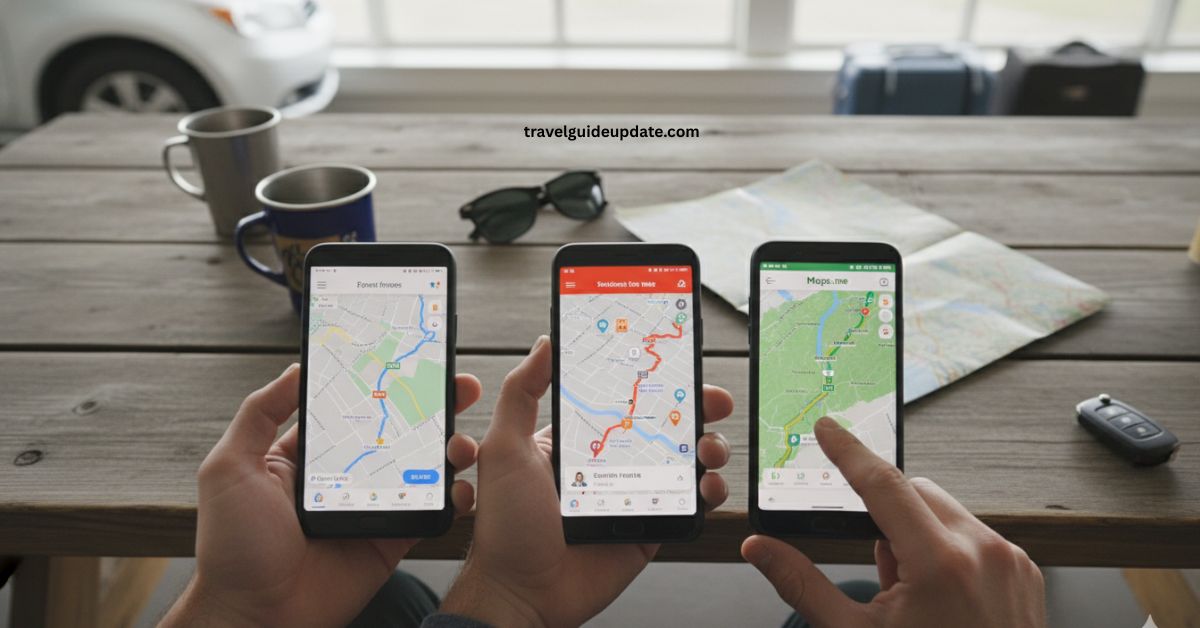
Bad route planning kills good road trips. Here’s how to do it right.
Use More Than One App
Don’t just open one map app and go. Use two or three. Compare routes. Look for:
- Toll roads (and if they’re worth it)
- Road construction zones
- Scenic detours
Good apps to use: Google Maps, Waze, Maps.me (works offline — great for areas with no signal).
Plan for Rest Stops, Not Just Destinations
Most people plan where they’ll sleep. Few people plan where they’ll rest. Big mistake.
Every 2 hours, you need a short break — at least 10–15 minutes. Plan these into your route from the start. Look for:
- Rest areas with bathrooms
- Small towns with gas stations
- Parks where kids (or adults) can stretch
Know the Time of Day You’ll Drive
Traffic is a budget killer — in time AND fuel. Plan to:
- Leave before 7 AM or after 8 PM on weekdays
- Avoid Friday afternoons (worst traffic day of the week)
- Drive through big cities during off-peak hours
Build a Real Road Trip Budget
This is where most people fail. They guess. Don’t guess — calculate.
The 5 Budget Categories You Need
| Category | What to Include | Budget Tip |
|---|---|---|
| Fuel | Full tank + estimated refills | Use GasBuddy app to find cheap stations |
| Food | Meals + snacks | Pack 60% of your food from home |
| Accommodation | Hotels, motels, camping | Book 1–2 weeks early for best rates |
| Activities | Entry fees, parking, tours | Research free options first |
| Emergency | Car trouble, medical, unexpected | Always keep 15–20% extra |
How to Estimate Your Fuel Cost?
Here’s a simple formula:
Total miles ÷ your car’s MPG × price per gallon = fuel cost
Example: 600 miles ÷ 30 MPG × $3.50/gallon = $70 in fuel
Do this before you leave. It takes 2 minutes and saves you from nasty surprises.
Get Your Car Ready Before You Go
Your car needs a check-up before any long trip. Skipping this is the #1 cause of roadside breakdowns.
Pre-Trip Car Checklist
Engine & Fluids:
- Engine oil (check level + color — dark brown means change it)
- Coolant level
- Brake fluid
- Windshield washer fluid
Tires:
- Pressure (check the number inside your driver door, not just guessing)
- Tread depth — stick a penny in the groove. If you see all of Lincoln’s head, get new tires.
- Spare tire — is it inflated? Is the jack there?
Safety Items:
- Brakes (listen for squealing — that’s a warning)
- Headlights and taillights
- Windshield wipers (change them if they streak)
Documents in the Car:
- Driver’s license
- Registration and insurance papers
- Roadside assistance number
If your car is due for an oil change within the next 1,000 miles — do it before you leave. Don’t risk it.
Pack Like a Pro (Not Like You’re Moving)
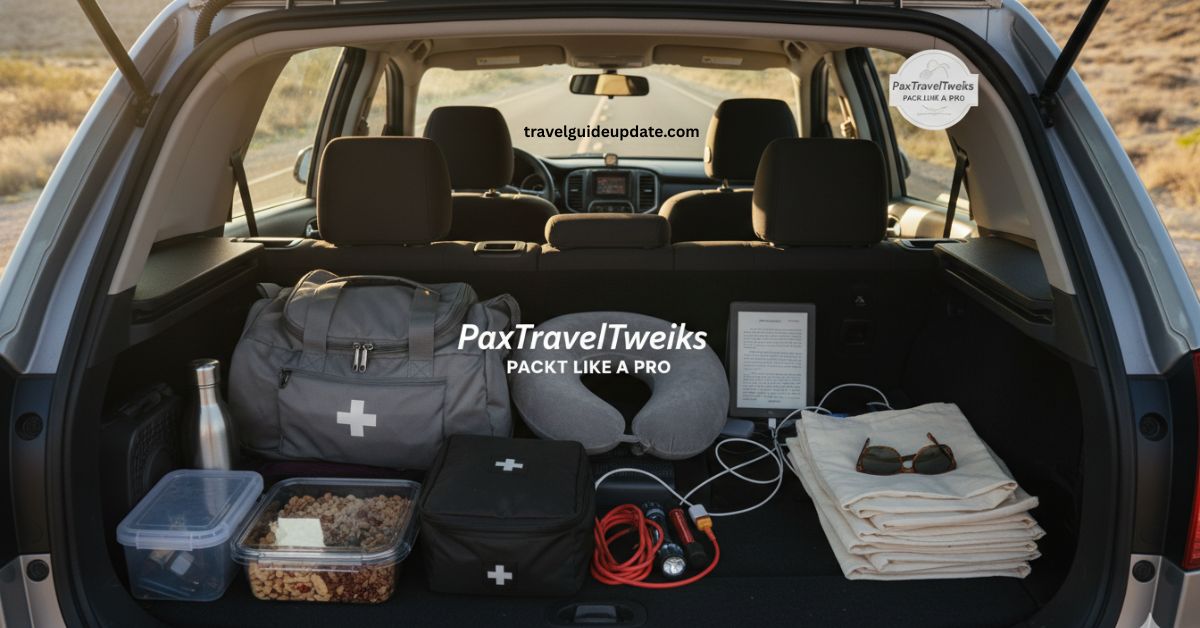
Overpacking is a real problem. A stuffed car is less fuel-efficient, harder to organize, and more stressful.
The PaxTravelTweaks Packing Method
Ask this question for every item: “Will I actually use this twice or more?”
If the answer is no — leave it.
Smart Road Trip Packing List
Must-Haves:
- Driver’s license + car papers
- Phone charger + car adapter
- Portable power bank
- First aid kit
- Water (at least 1 bottle per person per hour of driving)
- Snacks (non-messy: nuts, granola bars, fruit)
Comfort Items:
- Neck pillow (game changer on long drives)
- Small blanket
- Sunglasses (reduces eye strain and fatigue)
- Reusable bags (for trash, wet items, etc.)
Safety Extras:
- Flashlight with fresh batteries
- Jumper cables
- Basic tool kit (flathead, Phillips, wrench)
- Emergency mylar blanket
Entertainment:
- Downloaded playlists (for no-signal zones)
- Audiobooks or podcasts pre-downloaded
- Offline maps downloaded
What NOT to Pack?:
- Full-size pillows (too bulky)
- More than 2 pairs of shoes
- “Just in case” clothes you’ve never worn
- Heavy books (use an e-reader)
Cut Fuel Costs on the Road
Fuel is your biggest variable cost. These tips can cut it by 10–25%.
7 Fuel-Saving Habits That Work
- Keep speed between 55–65 mph. Fuel use jumps sharply above 65 mph.
- Use cruise control on highways. Steady speed = better MPG.
- Accelerate slowly from stops. Jackrabbit starts waste fuel every time.
- Turn off the AC when you don’t need it. AC can cut fuel economy by up to 25%.
- Keep tires inflated. Under-inflated tires drag — and burn more fuel.
- Don’t idle. If you’re stopped for more than 60 seconds, turn the car off.
- Fill up in small towns. Gas is almost always cheaper outside big cities.
Eat Well Without Eating Your Budget
Food is where road trip budgets quietly explode. Three drive-through stops a day can cost $50–$80 easily.
The Smart Food Strategy
Before You Leave:
- Pack a cooler with meals for day 1 and 2
- Make sandwiches, wraps, or pasta salads at home
- Bring pre-cut fruit and veggies (filling + no mess)
- Stock up on bulk snacks (much cheaper than gas station prices)
On the Road:
- Stop at grocery stores instead of restaurants
- Look for local diners instead of chains (better food, lower prices, more fun)
- Eat a big breakfast — it keeps you full longer and reduces snack spending
Gas Station Buying Guide:
| Item | Buy It | Skip It |
|---|---|---|
| Water | Yes (if you run out) | No (bring your own) |
| Nuts/trail mix | Yes | – |
| Hot dogs/roller food | Skip | Yes — food quality is low |
| Energy drinks | Only if needed | Better: pack coffee in a thermos |
| Chips | Skip | Better options in your cooler |
Stay Safe on Every Drive
No money saved is worth risking your life. Here are the rules that matter most.
The Big Safety Rules
1. Don’t drive tired. Drowsy driving is as dangerous as drunk driving. Signs you’re too tired:
- Missing exits
- Blinking too much
- Drifting in your lane
Pull over. Take a 20-minute nap. It works better than coffee.
2. Set a daily driving limit. For most people, 6–8 hours of driving per day is the safe max. Beyond that, reaction time drops fast.
3. No phone in your hand — ever. Use a phone mount. Use voice commands. Zero exceptions.
4. Keep emergency numbers ready. Save these before you leave:
- Roadside assistance
- Local emergency (911 or country equivalent)
- Your insurance company
- A trusted contact who knows your route
5. Share your route with someone. Tell a friend or family member your plan. Check in when you stop. It takes 30 seconds and could save your life.
3 Big Mistakes Most Road Trippers Make (And How to Skip Them)
Mistake 1: No Offline Maps
Cell signal dies in mountains, deserts, and rural areas. Download your route offline in Google Maps or Maps.me before you leave. Always.
Mistake 2: Skipping the Car Check
One flat tire or dead battery can ruin a trip — and cost $200–$500 you didn’t plan for. Ten minutes of pre-trip checks prevent most breakdowns.
Mistake 3: Driving Straight Through
People think driving straight through saves time. It often doesn’t — and it’s dangerous. Scheduled breaks actually help you arrive faster because you’re alert, not fighting fatigue.
How to Keep Long Drives Fun?
Long drives don’t have to be boring. Here’s what actually works:
Audio Entertainment:
- Podcasts on topics you love (true crime, comedy, history — pick your flavor)
- Audiobooks — great for long stretches
- Curated playlists for each part of the trip (morning drive, evening wind-down, etc.)
Car Games (for groups or families):
- License plate bingo
- 20 Questions
- “I spy” (yes, even adults enjoy it after 4 hours on the highway)
- Name that song — play 10 seconds of a track, first to name it wins
Mindset Tips:
- Reframe the drive as part of the trip, not a gap between places
- Stop at one “random” place you see on a sign — at least once per trip
- Take 5-minute “photo walks” at rest stops instead of just sitting
Car Travel on PaxTravelTweaks: Full Trip Checklist
Use this before every road trip:
1 Week Before:
- Plan and download route (offline)
- Book accommodations
- Budget all 5 cost categories
- Schedule car check-up if needed
2 Days Before:
- Car check (tires, oil, brakes, lights)
- Pack cooler and food
- Download entertainment (podcasts, audiobooks, music)
- Charge all devices
Day of Departure:
- Check tire pressure (cold tires, before driving)
- Fill gas tank
- Share route with a contact
- Pack car — heaviest items low and centered
On the Road:
- Break every 2 hours
- Stay hydrated
- No phone in hand
- Check in with your contact person
Frequently Asked Questions
Q: What exactly is car travel on PaxTravelTweaks? It’s a smart approach to road trips — using practical tips, tools, and planning habits to make driving trips cheaper, safer, and more fun.
Q: How much should I budget for a road trip? It depends on distance, but a rough rule: plan $0.15–$0.25 per mile for fuel, plus $50–$100/day per person for food and lodging. Always add 15–20% for surprises.
Q: What’s the best app for road trip planning? Google Maps for routing. Waze for real-time traffic. GasBuddy for cheap fuel. Maps.me for offline maps in no-signal areas.
Q: How often should I stop on a long drive? Every 2 hours minimum — or every 100 miles, whichever comes first. Short breaks improve alertness and reduce accident risk.
Q: How do I find cheap gas on a road trip? Use GasBuddy or the Google Maps gas price feature. Gas is usually cheapest at warehouse clubs (Costco, Sam’s Club) and in small towns off the highway.
Q: Is it cheaper to drive or fly? For groups of 3 or more, driving is almost always cheaper — even on long distances. For solo travelers on routes over 500 miles, compare carefully. Factor in time, too.
Q: What should I always keep in my car for emergencies? First aid kit, jumper cables, flashlight, spare tire, basic tools, water, and a warm blanket. These 7 items cover 90% of roadside emergencies.
Q: How do I avoid getting tired while driving? Sleep well the night before. Take breaks every 2 hours. Stay hydrated. Avoid heavy meals before driving. If tired — stop. No destination is worth a crash.
Q: Can I use PaxTravelTweaks for short trips too? Yes. Even a 2-hour drive benefits from fuel planning, a basic snack pack, and an offline map. The habits scale to any trip length.
Q: What’s the single best tip for saving money on a road trip? Pack your own food. It’s unsexy advice — but it cuts costs more than anything else. A cooler full of home food saves $30–$60 per day easily.
Final Thoughts
Car travel on PaxTravelTweaks is all about making every road trip smarter, safer, and more budget-friendly with simple yet powerful planning strategies. From mapping efficient routes and cutting fuel costs to packing light, eating smart, and staying safe on the road, these practical tips help you avoid common travel mistakes and enjoy a smoother journey. Whether it’s a short weekend drive or a long cross-country adventure, using these PaxTravelTweaks methods ensures you spend less, stress less, and experience more freedom on every mile of your trip.