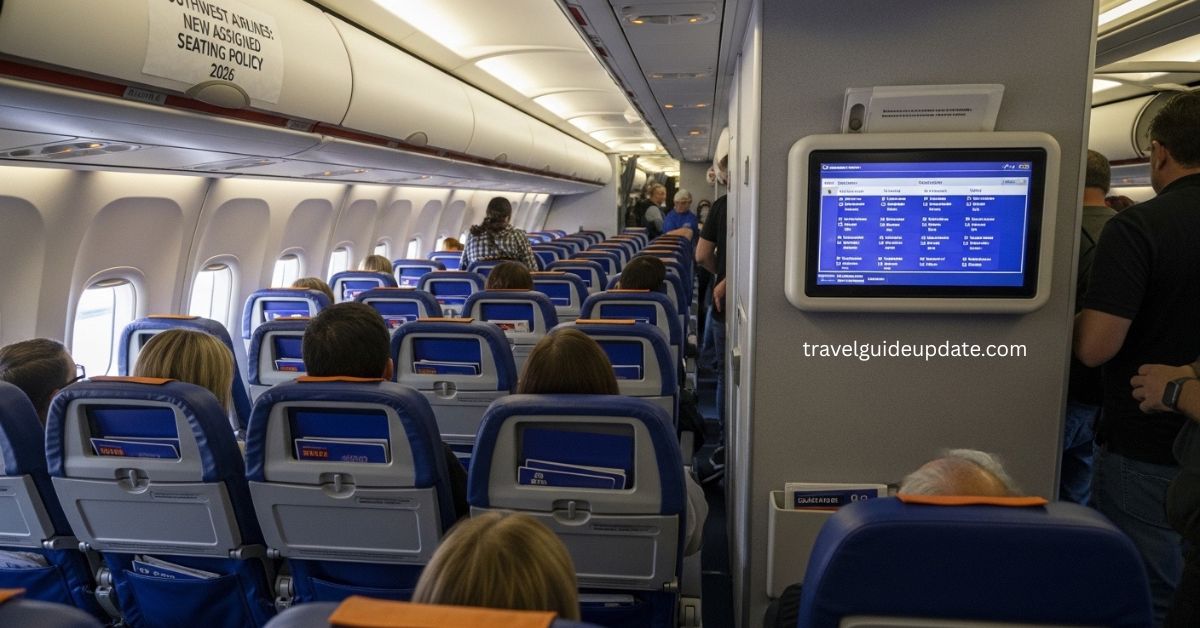
Southwest Airlines was famous for one thing almost no other airline did — open seating. No assigned seats. Just pick any seat you liked.
That all ended on January 27, 2026.
Now Southwest uses assigned seats and eight boarding groups, just like most other airlines. And it has caused a lot of problems no one saw coming.
In this article, we’ll break it all down. What changed. What went wrong. How it affects you as a passenger. And what you can do to have a better flight.
What Was Southwest’s Old Seating System?
For 53 years, Southwest did something unique. When you boarded, there were no assigned seats. You just walked on the plane and sat wherever you wanted.
This worked well for a few reasons:
- Passengers moved fast. No one was looking for a specific row. You sat down quickly.
- Bins filled up evenly. People spread out, so bags fit better.
- Planes turned around faster. Less time on the ground meant more flights per day.
It wasn’t just a quirky policy. It was a core part of how Southwest made money. Faster boarding = more flights = more revenue.
What Changed in January 2026?
Southwest officially dropped open seating on January 27, 2026.
Here’s what the new system looks like:
| Feature | Old System | New System |
|---|---|---|
| Seat type | Pick any seat | Assigned seat |
| Boarding groups | 3 groups (A, B, C) | 8 boarding groups |
| Overhead bin access | First come, first served | Near your assigned row |
| Seat upgrades | Not available | Extra legroom options |
| Family seating | Self-managed | Easier to pre-assign |
The shift came partly due to pressure from investors. Elliott Management, an activist investment firm, pushed Southwest to act more like its competitors. Assigned seating opens the door to charging more for better seats — something Delta, United, and American have done for years.
The Real Problems Southwest Didn’t Expect
1. Boarding Got Slower — A Lot Slower
This is the biggest issue. And it makes sense once you think about it.
Under the old system, passengers kept moving. You sat in the first open seat you liked. No one stopped in the aisle for long.
Now? Every person is looking for their specific row. Then they’re looking for bin space near that row. That means stopping. Backtracking. Blocking the aisle.
On a narrow plane like the Boeing 737, this is a real problem. Only one person can walk down the aisle at a time. When one person stops, everyone stops.
Even a few extra minutes per flight adds up fast. Southwest runs 800+ aircraft daily. Mostly short hops. Even five extra minutes per flight, across thousands of daily departures, is a massive hit to the schedule.
2. Overhead Bin Chaos
Under open seating, passengers spread out naturally. Someone who sat in row 25 put their bag in row 25. Things balanced out on their own.
Now, everyone with an assigned seat in row 10 wants to put their bag in the bin above row 10. If that bin fills up, they don’t want to walk their bag to row 22 and come back to row 10. That feels unfair. So they stand there. They wait. They block traffic.
Southwest has actually announced a huge fix for this. They plan to retrofit about 70% of their fleet with larger overhead bins by the end of 2026. These new bins hold 50% more bags.
That’s a big investment. It also tells you how serious the problem got.
3. Eight Boarding Groups Is More Complex
The old A-B-C system was simple. Three groups. Easy to understand.
Eight groups is harder to manage. Passengers get confused about when to line up. Gate agents have more to track. Flight attendants deal with more questions.
Southwest has already had to rebalance how the eight groups load because the first version created uneven patterns in the cabin. The front would fill up while the back stayed empty, slowing things down.
Complexity creates mistakes. And mistakes cost time.
4. Passenger Behavior Changed — And Not for the Better
Here’s something that doesn’t get talked about enough: people act differently when they have an assigned seat.
With open seating, there was a quiet pressure. If you took too long, you’d get a worse seat. So people moved fast.
With assigned seating, that pressure is gone. Your seat isn’t going anywhere. So people slow down. They take their time with bags. They stop to let someone into the window seat. They look for a specific spot in the overhead bin.
None of these things are unreasonable. But together, they slow down boarding by several minutes on every flight.
5. Short-Haul Routes Feel the Pain Most
Southwest mostly flies short trips. A flight from Dallas to Houston takes less than an hour in the air.
But the time at the gate? That doesn’t shrink just because the flight is short. If boarding takes five extra minutes, that’s a big chunk of the total trip time. It can also push back the next flight that aircraft was supposed to run.
Southwest doesn’t have a lot of “slack” in its schedule. There’s no long layover to make up lost time. A delay in the morning can ripple into the afternoon and evening across the whole airline.
How Southwest Is Trying to Fix Things?
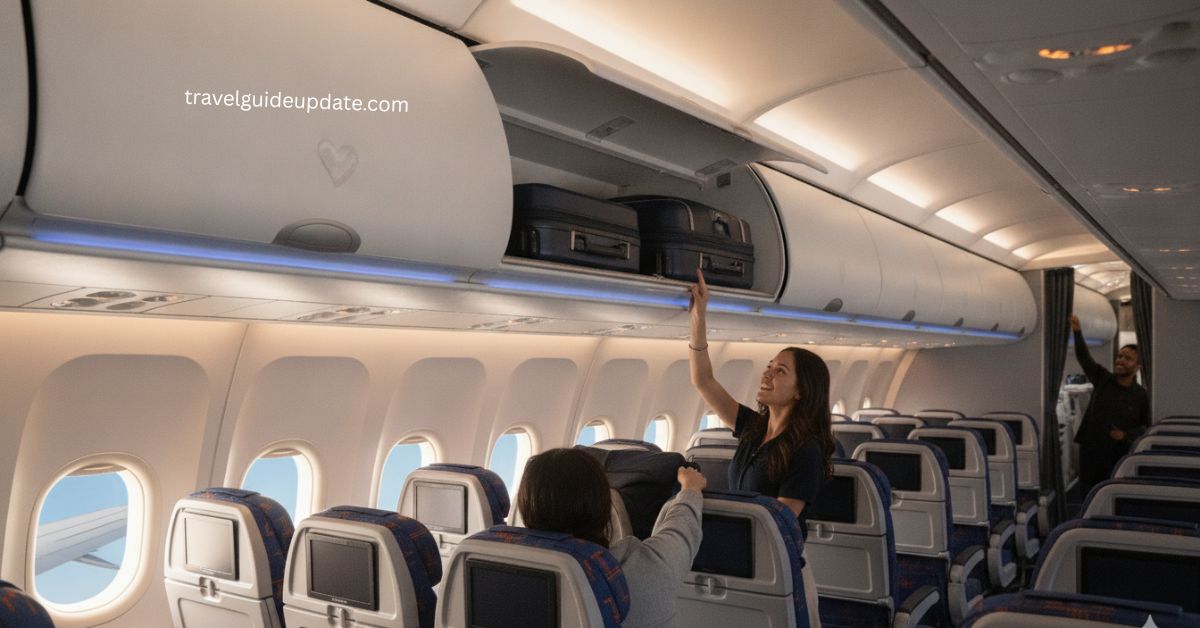
Southwest isn’t just hoping things get better. They’re making real changes.
Larger Overhead Bins
As mentioned, 70% of the fleet is being upgraded with bigger bins. This should reduce the aisle-blocking that happens when passengers fight for bin space near their seats.
Rebalanced Boarding Groups
The airline is tweaking how the eight boarding groups board to get a more even spread through the cabin. Think of it like loading a ship — you want weight distributed, not all stacked at the front.
Premium Seat Tiers
Southwest is rolling out extra-legroom seats you can pay more for. This follows the Delta/United playbook. If someone pays $40 extra for a good seat, they board early. That helps organize the flow.
Possible First Class and Lounges
Southwest CEO Bob Jordan has hinted at first-class cabins and airport lounges coming in the future. These are big changes for an airline that was built on simplicity. But they show how far Southwest is willing to go to reinvent itself.
What This Means for the Airline’s Finances?
Southwest reported $27.5 billion in operating revenue in 2024. But profits fell. That’s why investor pressure led to these changes.
Assigned seating is supposed to boost revenue through:
- Seat upgrade fees (extra legroom, front-row spots)
- Families paying for guaranteed seats together
- Business travelers who want consistent seat choices
But here’s the risk. Southwest’s old model worked because everything was connected:
- Simple fares → easy decisions for customers
- Open seating → fast boarding
- Fast boarding → more flights per day
- More flights → more revenue
Change one piece, and the whole system shifts. Slower boarding means fewer flights per day means less revenue per aircraft. The new seat-fee income has to make up for that lost efficiency. Whether it does is still an open question.
What Real Passengers Are Saying?
Early reports from passengers who flew Southwest after the switch are mixed.
Some travelers like it. Families especially. Being able to choose seats in advance — and not stress about the A-B-C boarding scramble — is a relief.
But others are frustrated. Frequent flyers who loved the old system feel like Southwest has become “just another airline.” The speed and simplicity that made it different are fading.
Flight crews seem to be adapting. One passenger reported that on a recent April 2026 flight, the crew actively coached passengers on the new boarding rules and even called out people who weren’t following them. Three out of four flights that day left early.
So it can work. But it takes more effort from everyone.
Southwest Seating Problems vs. Other Airlines: A Quick Comparison
| Issue | Southwest (New) | Delta | United | American |
|---|---|---|---|---|
| Assigned seating | Yes (new) | Yes | Yes | Yes |
| Boarding groups | 8 | 9 | 6 | 9 |
| Extra legroom option | Yes | Yes | Yes | Yes |
| Bin space conflicts | High (ongoing) | Medium | Medium | Medium |
| Turnaround speed | Declining | Stable | Stable | Stable |
| Open seating option | No longer | Never | Never | Never |
Southwest is now playing catch-up in a game its rivals have run for decades. The others have had years to fine-tune their systems. Southwest is learning in real time.
Tips for Flying Southwest With the New Seating System
If you’re flying Southwest soon, here’s what you can do to have a smoother trip:
Before your flight:
- Check in early to get a lower boarding group number
- Pay for an upgraded seat if you want extra legroom
- Pre-select seats for your whole family at booking
- Pack light — a personal item beats a carry-on right now while bins are still tight
At the gate:
- Know your boarding group number and listen carefully to announcements
- Get in line when your group is called — not before
- Have your boarding pass ready on your phone
On the plane:
- If the bin above your seat is full, place your bag forward, not back — it speeds up deplaning
- Sit down quickly. Don’t block the aisle while arranging things.
- Help your row-mates get settled fast — it helps everyone
Will Southwest’s New System Work Long-Term?
Honestly, it’s too early to know.
The summer of 2026 will be the first real stress test. Heavy loads. Full bins. Packed schedules. If boarding times spike and delays pile up during peak season, that’s a sign the system needs more work.
But if the new bins help, and passengers get used to the new process, things could stabilize. Other airlines manage assigned seating every day. Southwest can learn to do it too.
The harder question is whether Southwest can still be Southwest — the fun, low-cost, no-fuss airline — while running like Delta or United.
That identity shift may be the biggest seating problem of all.
Frequently Asked Questions
When did Southwest switch to assigned seating? Southwest officially moved to assigned seating on January 27, 2026, after 53 years of open seating.
How many boarding groups does Southwest have now? Southwest now uses eight boarding groups, up from the old three-group (A, B, C) system.
Why did Southwest get rid of open seating? Mainly due to investor pressure. Assigned seating lets Southwest charge extra for better seats, which can boost revenue.
Is Southwest’s boarding slower now? Yes. Early reports show boarding is slower because passengers are looking for specific rows and bin space near their seats.
What is Southwest doing about the overhead bin problem? Southwest plans to upgrade about 70% of its fleet with larger bins that hold 50% more bags, all by the end of 2026.
Can families still sit together on Southwest? Yes. In fact, assigned seating makes it easier for families to guarantee seats together by booking them in advance.
Does Southwest have extra legroom seats now? Yes. Southwest now offers seats with more legroom for an added fee.
Will Southwest add first class? Southwest’s CEO has mentioned first class and airport lounges as possible future additions, but nothing has been confirmed yet.
Is Southwest still cheaper than other airlines? That depends on the route and timing. Southwest is moving toward more tiered pricing, which can mean higher costs for better seats.
What happens if I miss my boarding group? You can still board after your group, but you may find fewer good bin spots near your seat. It’s best to line up when your group is called.